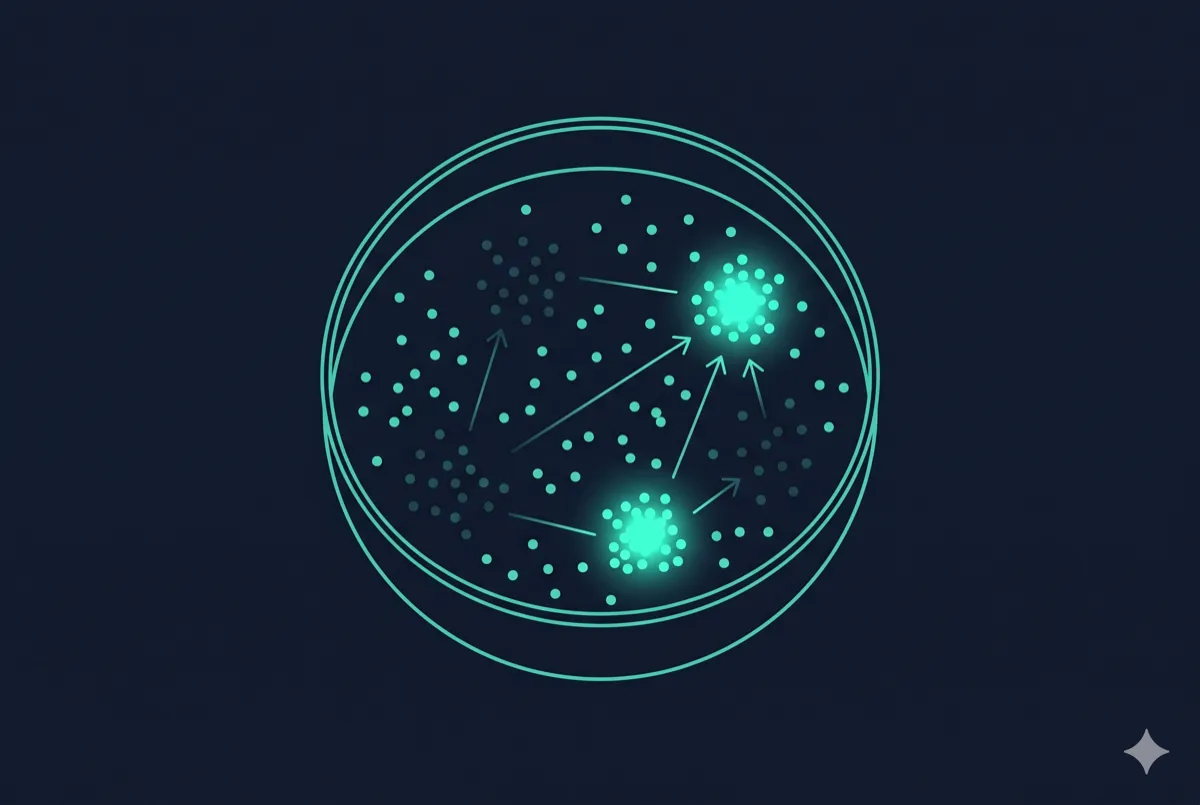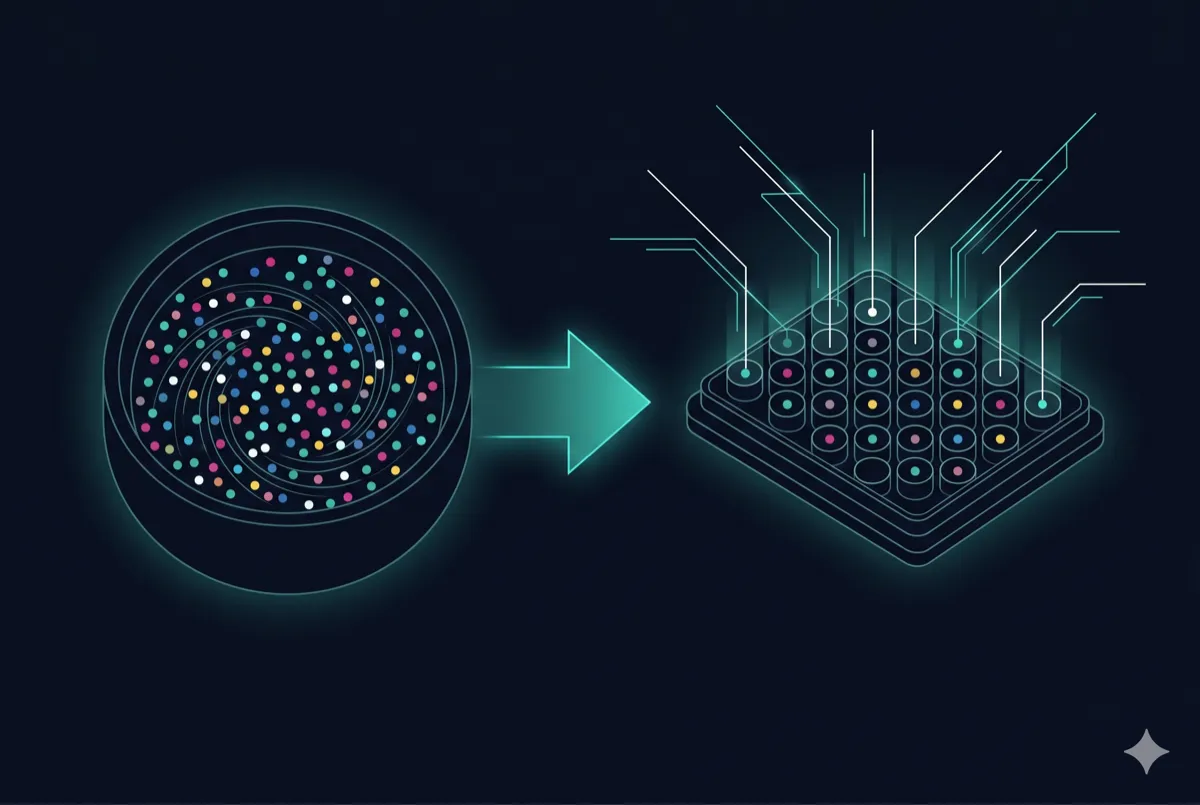
Conventional single-cell sequencing reveals the 'state' (What) of cells but struggles to explain the underlying 'cause' (Why). Perturb-seq combines CRISPR-mediated genetic perturbation with single-cell transcriptomic sequencing, simultaneously achieving genetic perturbation (knockout/activation/inhibition, etc.) and whole-transcriptome readout within the same cell, thereby establishing causal links between 'genetic perturbation—molecular phenotype' at the whole-genome scale.
The core breakthrough of this technology lies in the fact that it does not observe correlations, but rather measures downstream effects by directly intervening in gene function — this is irreplaceable for functional genomics research, drug target discovery, and disease mechanism elucidation.
Applications
- High-throughput gene function discovery, transcriptomic phenotype analysis, data production for predictive models
Workflow
Key Capabilities
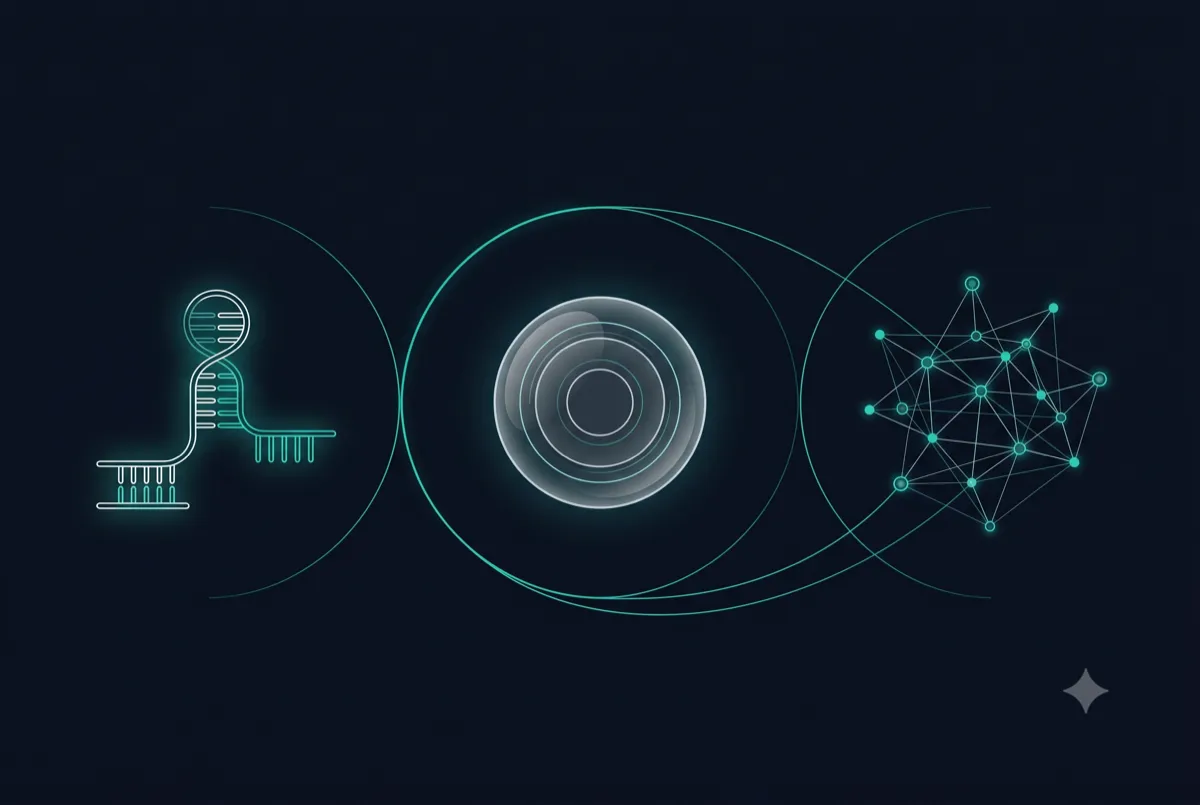
- Deep dual-tech integration The core team is proficient in both CRISPR gene editing and single-cell sequencing, effectively bridging each step from molecular cloning to data interpretation, reducing cross-tech communication loss and experimental error.
- Proprietary Tri-sgRNA library technology Using our proprietary Tri-sgRNA library design strategy, each gene is targeted by multiple independent sgRNAs, improving perturbation reliability and statistical robustness.
- Deep data mining The bioinformatics team has multidisciplinary backgrounds in oncology, neuroscience, genetics, and developmental biology, capable of parsing causal relationships between genes and complex phenotypes from Perturb-seq data, delivering personalized in-depth mining beyond standard analysis reports.